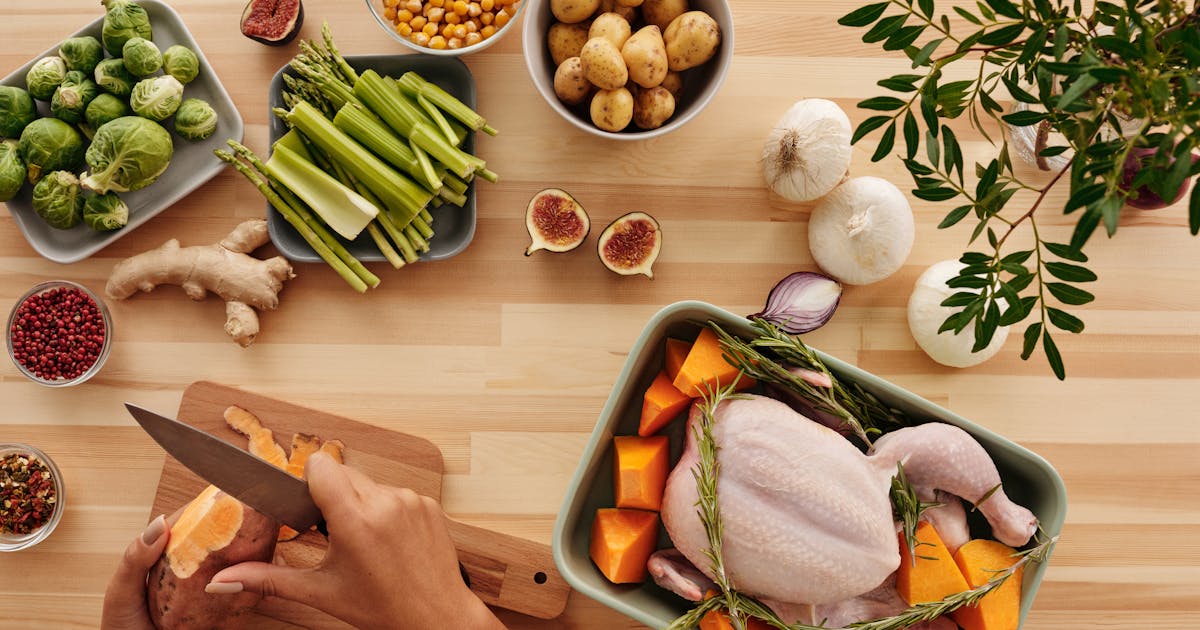
Günstig kochen in der Schweiz — So sparst du beim Essen
Die Schweiz hat mit die höchsten Lebensmittelpreise in Europa, doch mit den richtigen Strategien kannst du als Familie gesund und günstig kochen. Meal Planning, Eigenmarken wie M-Budget und Prix Garantie, saisonale Zutaten und cleveres Vorkochen sparen locker CHF 200–300 pro Monat — ohne auf Genuss zu verzichten.

Gründerin von TellerPlan
Yvonne ist Mutter von zwei Kindern und lebt in der Schweiz. Sie hat TellerPlan gegründet, um das wöchentliche Einkaufen für Familien einfacher zu machen.
Was kosten Lebensmittel in der Schweiz wirklich?
Lass uns ehrlich sein: In der Schweiz zu kochen ist teuer. Laut Eurostat liegen die Lebensmittelpreise in der Schweiz rund 60 % über dem EU-Durchschnitt. Wer schon einmal in Deutschland oder Österreich eingekauft hat, weiss, wie gross der Unterschied ist — ein Einkaufswagen, der in Konstanz EUR 80 kostet, schlägt in Kreuzlingen schnell mit CHF 130–150 zu Buche.
Laut der Haushaltsbudgeterhebung des Bundesamts für Statistik (BFS) gibt eine durchschnittliche Schweizer Familie mit vier Personen zwischen CHF 600 und CHF 900 pro Monat für Lebensmittel aus. Das sind CHF 7'200 bis CHF 10'800 im Jahr — eine beachtliche Summe, bei der sich jede Optimierung lohnt.
CHF 600–900 pro Monat für eine 4-köpfige Familie — das ist der Schweizer Durchschnitt. Mit den Tipps in diesem Artikel kannst du am unteren Ende landen oder sogar darunter.
Die gute Nachricht: Du musst nicht auf Qualität oder Genuss verzichten, um günstiger zu kochen. Mit ein paar cleveren Strategien, etwas Planung und den richtigen Einkaufsquellen sparst du jeden Monat spürbar — und isst dabei sogar abwechslungsreicher.
8 Strategien für günstiges Kochen in der Schweiz
1. Meal Planning — der grösste Spartrick überhaupt
Wer ohne Plan einkauft, greift zu Impulskäufen, kauft Dinge doppelt oder lässt Lebensmittel verderben. Ein einfacher Wochenplan (was gibt es Montag bis Freitag?) spart laut Erfahrungswerten 10–20 % der Lebensmittelkosten. Bei CHF 800 im Monat sind das CHF 80–160, die du anders einsetzen kannst.
2. Saisonal und regional einkaufen
Erdbeeren im Januar kosten dreimal so viel wie im Juni. Zucchetti im Sommer, Kürbis im Herbst, Lauch im Winter — wer saisonal kocht, zahlt deutlich weniger und bekommt erst noch bessere Qualität. Der Saisonkalender von Migros oder der LID-Saisonkalender helfen bei der Orientierung.
3. Eigenmarken clever nutzen
Die Budget-Linien der Schweizer Detailhändler sind viel besser als ihr Ruf. M-Budget (Migros), Prix Garantie (Coop) und die Eigenmarken von Aldi Suisse und Lidl bieten solide Qualität zu deutlich tieferen Preisen. Bei Grundprodukten wie Mehl, Pasta, Reis, Konserven oder Milch lohnt sich die Eigenmarke fast immer — der Unterschied zum Markenprodukt ist minimal.
- M-Budget (Migros): Über 500 Produkte, oft 30–50 % günstiger als Markenprodukte
- Prix Garantie (Coop): Vergleichbare Auswahl, besonders stark bei Grundnahrungsmitteln
- Aldi Suisse / Lidl: Eigenmarken als Standard, zusätzlich günstige Frischprodukte
- Alnatura (Coop): Für Bio-Produkte oft günstiger als andere Bio-Marken
4. Batch Cooking und Vorkochen
Einmal gross kochen, dreimal essen — das spart Zeit, Energie und Geld. Wenn du am Sonntag eine grosse Portion Bolognese, Chili oder Suppe kochst, hast du für zwei bis drei weitere Mahlzeiten vorgesorgt. Portionsweise einfrieren, fertig. In unserem Batch-Cooking-Guide für Familien zeigen wir dir Schritt für Schritt, wie das funktioniert. Batch Cooking eignet sich besonders gut für Eintöpfe, Currys, Saucen und Getreidegerichte.
5. Reste kreativ verwerten
Übriggebliebener Reis wird zu gebratenem Reis. Altes Brot wird zu Panzanella oder Knödel. Gekochte Kartoffeln vom Vortag werden zu Rösti. Lerne, Reste als Zutat zu sehen — nicht als Abfall. Ein fixer «Restentag» pro Woche hilft, nichts wegzuwerfen.
6. Der Tiefkühler ist dein bester Freund
Brot, Fleisch, Gemüse, vorgekochte Mahlzeiten — fast alles lässt sich einfrieren. Wenn Beeren oder Gemüse saisonal günstig sind, lohnt sich das Einfrieren für den Winter. Tiefgekühltes Gemüse (z. B. Erbsen, Bohnen, Spinat) ist oft günstiger als frisches, gleich nährstoffreich und jederzeit verfügbar.
7. Weniger Fleisch, mehr Hülsenfrüchte
Fleisch ist in der Schweiz besonders teuer. Ein bis zwei vegetarische Tage pro Woche mit Linsen, Kichererbsen oder Bohnen sparen spürbar — und sind gesund. Ein Linsencurry kostet pro Portion etwa CHF 2–3, ein Rindsgulasch schnell CHF 8–10.
8. Aktionen gezielt nutzen
Migros und Coop haben wöchentlich wechselnde Aktionen. Wenn Poulet, Käse oder Olivenöl im Angebot sind, lohnt es sich, etwas mehr zu kaufen und einzufrieren oder auf Vorrat zu legen. Aber Achtung: Kaufe nur Aktionsprodukte, die du wirklich brauchst — sonst wird das «Sparen» zum Geldausgeben.
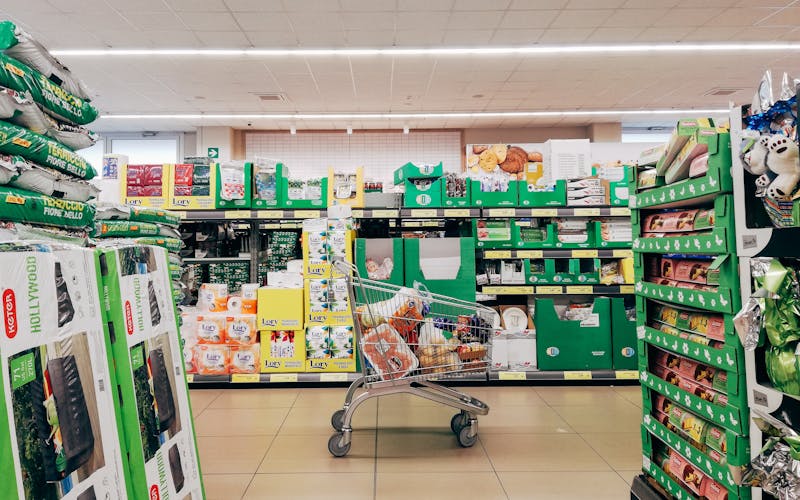
Die günstigsten Einkaufsquellen im Vergleich
Nicht jeder Laden ist für alles am günstigsten. Wer clever kombiniert, spart am meisten. Hier ein grober Vergleich für einen typischen Familieneinkauf (Grundnahrungsmittel, Gemüse, Milchprodukte, Fleisch):
- Aldi Suisse und Lidl: Im Schnitt 15–25 % günstiger als Migros/Coop bei Grundprodukten. Besonders stark bei Fleisch, Milchprodukten und internationalen Produkten. Die Auswahl ist kleiner, dafür die Preise tiefer.
- Migros (inkl. M-Budget): Mittleres Preisniveau, dafür riesige Auswahl, gute Eigenmarken und ein dichtes Filialnetz. M-Budget-Produkte sind oft auf Aldi-Niveau.
- Coop (inkl. Prix Garantie): Ähnlich wie Migros, tendenziell leicht teurer bei Frischprodukten. Prix Garantie und Coop-Eigenmarken sind preiswert. Stärke: Bio-Auswahl (Naturaplan, Alnatura).
- Denner: Discounter von Migros — günstig bei Getränken, Konserven und Haushaltsprodukten.
- Markt / Hofladen: Für saisonales Gemüse und Obst oft überraschend günstig, besonders gegen Marktende. Qualität meist hervorragend.
Ein typischer Wocheneinkauf für eine vierköpfige Familie kann bei Aldi Suisse oder Lidl rund CHF 120–150 kosten, bei Migros CHF 150–180 und bei Coop CHF 160–190. Die Unterschiede summieren sich über das Jahr schnell auf CHF 1'000 und mehr.
Du musst nicht alles bei einem Laden kaufen. Grundprodukte beim Discounter, Frisches vom Markt, Spezialitäten bei Migros oder Coop — so holst du das Beste aus jedem Budget.
Meal Planning: Der grösste Spartrick
Wir haben es oben schon erwähnt, aber es verdient ein eigenes Kapitel: Meal Planning ist der effektivste einzelne Spartrick beim Lebensmittelbudget. Warum? Weil er gleich mehrere Probleme auf einmal löst:
- Keine Impulskäufe: Du gehst mit einer klaren Liste in den Laden und kaufst nur, was drauf steht. Studien zeigen, dass Impulskäufe 20–30 % des Einkaufsbetrags ausmachen können.
- Kein Food Waste: Du kaufst nur, was du diese Woche auch wirklich verwendest. Weniger landet im Abfall.
- Effizientere Einkäufe: Statt fünfmal pro Woche kurz in den Laden zu rennen (und jedes Mal «noch schnell» etwas mitzunehmen), reichen ein bis zwei gezielte Einkäufe.
- Bessere Nährstoffverteilung: Wenn du die Woche im Voraus planst, achtest du automatisch auf Abwechslung — mehr Gemüse, weniger Convenience.
- Weniger Stress: Das tägliche «Was kochen wir heute?» entfällt komplett.
Du brauchst dafür kein kompliziertes System. Ein einfacher Wochenplan (Montag bis Freitag, ein Gericht pro Tag) und eine daraus abgeleitete Einkaufsliste reichen völlig. Wenn du es noch einfacher willst, hilft dir eine App wie TellerPlan: Rezepte auswählen, in den Wochenplan ziehen, Einkaufsliste automatisch generieren lassen — fertig.
Mit TellerPlan planst du deine Woche in Minuten und generierst automatisch die passende Einkaufsliste. Kein Rätselraten, keine Impulskäufe, kein Food Waste. Kostenlos ausprobieren →
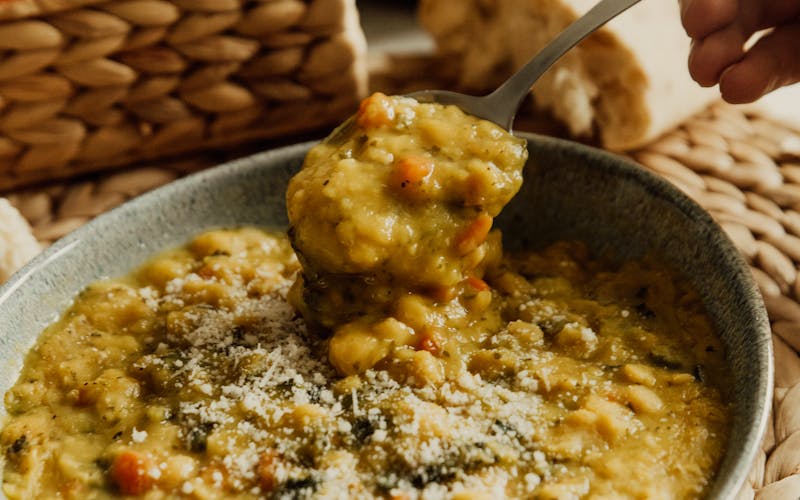
Günstige Rezeptideen für die ganze Familie
Günstiges Kochen heisst nicht, jeden Tag Pasta mit Tomatensauce zu essen. Es gibt unzählige leckere Gerichte, die pro Portion unter CHF 3–4 kosten. Hier sind einige Ideen, die bei Familien in der Schweiz gut ankommen:
- Linsen-Dal mit Reis (ca. CHF 2/Portion): Rote Linsen, Kokosmilch, Curry, Reis — günstig, nahrhaft und bei Kindern oft überraschend beliebt.
- Gemüse-Risotto (ca. CHF 3/Portion): Saisonales Gemüse (Kürbis, Zucchetti, Lauch), Risottoreis, Parmesan. Einfach und kremig.
- Kartoffel-Gemüse-Auflauf (ca. CHF 2.50/Portion): Kartoffeln, Gemüse der Saison, Rahm und Käse überbacken. Resteverwertung pur.
- Chili sin Carne (ca. CHF 2/Portion): Bohnen, Mais, Tomaten, Gewürze. Grosse Mengen kochen und einfrieren.
- Älplermagronen (ca. CHF 3/Portion): Ein Schweizer Klassiker — Teigwaren, Kartoffeln, Rahm, Käse. Günstig und sättigend.
- Gebratener Reis mit Gemüse (ca. CHF 2.50/Portion): Perfekt für Reste. Reis vom Vortag, Eier, beliebiges Gemüse, Sojasauce.
- Polenta mit Pilzragout (ca. CHF 3/Portion): Polenta aus dem Tessin, dazu saisonale Pilze. Schlicht und wunderbar.
- Minestrone (ca. CHF 2/Portion): Der Klassiker für alles, was im Kühlschrank übrig ist. Bohnen, Pasta, Gemüse, fertig.
Der Schlüssel: Setze auf günstige Grundzutaten (Kartoffeln, Reis, Linsen, Teigwaren, saisonales Gemüse) und kombiniere sie mit wenigen, geschmacksintensiven Zutaten (guter Käse, Gewürze, Kräuter). So wird günstiges Essen nie langweilig.
Mit Plan statt Impulskäufen sparen
Hand aufs Herz: Wie oft gehst du «nur kurz» in den Laden und kommst mit einer vollen Tasche raus? Impulskäufe sind der grösste Feind eines Lebensmittelbudgets. Schokolade an der Kasse, das hübsche neue Produkt im Regal, die drei-für-zwei-Aktion für etwas, das du eigentlich nicht brauchst — das summiert sich.
Die einfachste Gegenwaffe: eine Einkaufsliste. Wer mit einer Liste einkauft, gibt nachweislich weniger aus — eine gute Einkaufsliste-App macht das noch einfacher. Und wer diese Liste aus einem durchdachten Wochenplan ableitet, spart doppelt — weil nur gekauft wird, was wirklich gebraucht wird.
- Nie hungrig einkaufen: Klingt banal, wirkt aber enorm. Iss etwas, bevor du in den Laden gehst.
- Einkaufsliste strikt einhalten: Was nicht auf der Liste steht, kommt nicht in den Wagen.
- Weniger oft einkaufen: Ein bis zwei gezielte Grosseinkäufe pro Woche statt täglicher Kurzeinkäufe.
- Online bestellen: Bei Migros Online oder coop.ch siehst du den Gesamtbetrag vor dem Kauf — das bremst Impulse.
- Kindern Aufgaben geben: Lass die Kinder Produkte von der Liste suchen — das hält sie beschäftigt und dich fokussiert.
Genau hier setzt TellerPlan an: Du planst deine Woche, die App generiert die Einkaufsliste mit allen Zutaten, und du gehst gezielt einkaufen. Kein Grübeln im Laden, keine vergessenen Zutaten, keine Impulskäufe. Das spart nicht nur Geld, sondern auch Nerven.
Schluss mit planlosen Einkäufen. Mit TellerPlan erstellst du deinen Wochenplan und die Einkaufsliste in wenigen Minuten — und sparst CHF 100–200 pro Monat. Jetzt gratis starten →
Häufige Fragen
Wie viel gibt eine Schweizer Familie pro Monat für Lebensmittel aus?
Laut dem Bundesamt für Statistik (BFS) gibt eine durchschnittliche vierköpfige Familie in der Schweiz zwischen CHF 600 und CHF 900 pro Monat für Lebensmittel und Getränke aus. Der genaue Betrag hängt von der Region, den Essgewohnheiten und den bevorzugten Einkaufsquellen ab.
Wo kaufe ich in der Schweiz am günstigsten ein?
Aldi Suisse und Lidl sind bei Grundprodukten im Schnitt 15–25 % günstiger als Migros und Coop. Für das beste Preis-Leistungs-Verhältnis lohnt sich eine Kombination: Grundprodukte beim Discounter, saisonales Gemüse vom Markt und Spezialitäten bei Migros oder Coop. Die Eigenmarken M-Budget und Prix Garantie sind ebenfalls sehr preiswert.
Ist M-Budget wirklich so gut wie Markenprodukte?
In vielen Fällen ja. Bei Grundprodukten wie Milch, Mehl, Pasta, Reis oder Konserven ist der Qualitätsunterschied zu Markenprodukten minimal. Bei verarbeiteten Produkten wie Fertigsaucen oder Snacks kann es Unterschiede geben. Tipp: Probiere es einfach aus — die meisten Familien merken bei den Basics keinen Unterschied.
Wie spare ich am meisten beim Kochen in der Schweiz?
Der grösste Hebel ist Meal Planning: Mahlzeiten vorausplanen, eine Einkaufsliste erstellen und gezielt einkaufen. Damit vermeidest du Impulskäufe und Food Waste. Kombiniert mit saisonalem Einkaufen, Eigenmarken und Batch Cooking sparst du als Familie leicht CHF 200–300 pro Monat.
Welche günstigen Gerichte eignen sich für Familien?
Linsen-Dal, Gemüse-Risotto, Kartoffelauflauf, Älplermagronen oder Minestrone kosten pro Portion nur CHF 2–3 und sind bei Kindern beliebt. Der Trick: Setze auf günstige Grundzutaten wie Kartoffeln, Reis, Linsen und Teigwaren und kombiniere sie mit saisonalem Gemüse und guten Gewürzen.
Lohnt sich eine Meal-Planning-App zum Sparen?
Ja, weil sie den Planungsprozess vereinfacht und die Einkaufsliste automatisch generiert. Das eliminiert Impulskäufe und vergessene Zutaten. TellerPlan wurde speziell für die Schweiz entwickelt und unterstützt Cookidoo-Import sowie deutschsprachige Einkaufslisten.
Passende Rezepte


Deine eigene Rezeptsammlung
Sammle Rezepte von überall an einem Ort: von jeder Rezeptseite, aus deinem Kochbuch oder aus Cookidoo. Wochenplan und Einkaufsliste gibt es dazu.
Sammlung kostenlos startenWeitere Artikel

Planung · 3 Min.
Meal Planning für Familien in der Schweiz — So geht's
Lerne, wie du als Familie in der Schweiz einen Wochenplan erstellst, Zeit beim Einkaufen sparst und weniger Food Waste produzierst.

Einkauf · 8 Min.
Einkaufsliste-App für die Schweiz — Der grosse Vergleich 2026
Welche Einkaufsliste-App passt zu deiner Familie? Wir vergleichen die besten Apps für die Schweiz und zeigen, wie du automatisch vom Rezept zur Liste kommst.