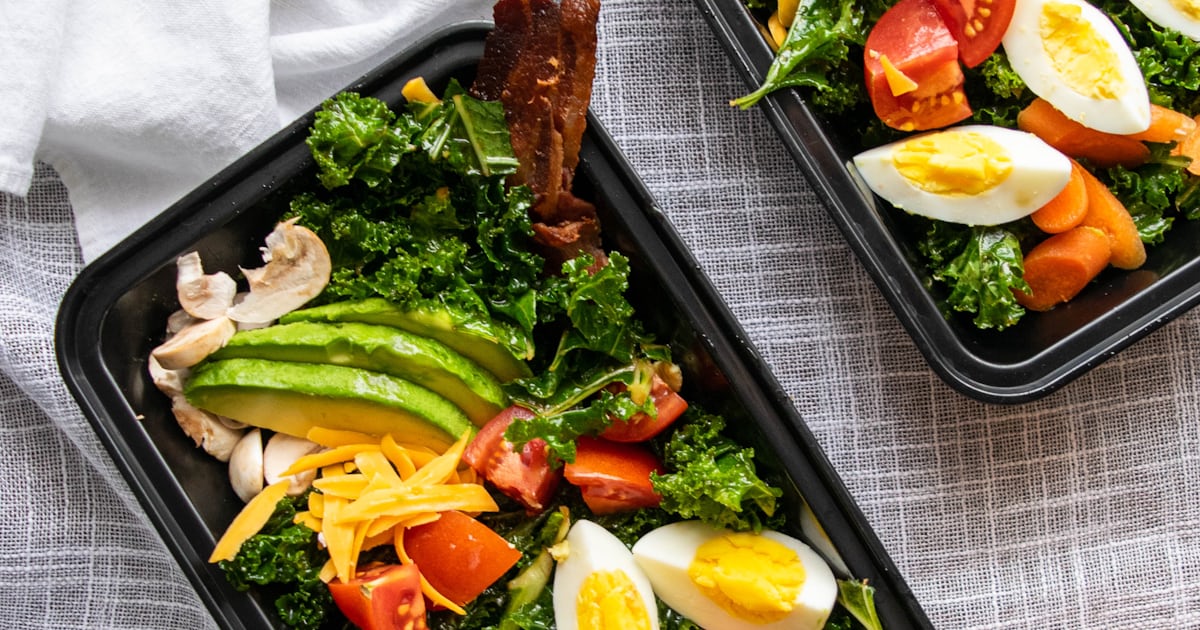
Batch Cooking for Families: Cook Once, Enjoy All Week
Batch cooking means preparing larger quantities of food on one day (usually Sunday) and portioning meals for the entire week. Swiss families save 3-5 hours during the week, reduce food waste, and still eat balanced, home-cooked meals every evening — without the stress.

Founder of TellerPlan
Yvonne is a mother of two living in Switzerland. She founded TellerPlan to make weekly grocery shopping easier for families.
What Is Batch Cooking — and Why Do Families Love It?
Picture this: it's Monday evening, the kids are hungry, you've just walked through the door from work — and yet a warm, home-cooked meal is on the table in 10 minutes. No stress, no ordering in, no arguments. That's the magic of batch cooking.
Batch cooking simply means preparing several dishes in larger quantities on one day — usually Sunday — and portioning them for the rest of the week. You cook once and eat three to four times from it. Simple, right?
This concept makes particular sense in Switzerland. According to the Federal Statistical Office (BFS), both parents work in over 75% of Swiss families — often leaving little time for hours of weeknight cooking. At the same time, living costs are high, and unplanned shopping trips to Migros or Coop quickly add up.
Swiss families spend an average of CHF 1,400 to CHF 1,600 per month on groceries. With batch cooking and a weekly plan, you can save 10-20% of that.
The benefits of batch cooking for families at a glance:
- Time savings: Instead of cooking 45-60 minutes every evening, you invest 2-3 hours on Sunday — and have free evenings during the week.
- Less stress: The question 'what are we cooking tonight?' simply disappears.
- Save money: You shop purposefully in larger quantities and avoid impulse purchases.
- Less food waste: Everything gets used, nothing ends up in the bin.
- Healthier eating: When the food is already prepared, you're less likely to reach for ready meals or order takeaway.
How to Get Started with Batch Cooking
Batch cooking sounds like a lot of effort, but it's easier than you think. If you already know how to create a weekly meal plan, you have the perfect foundation. You don't need to cook five dishes at once. Start small and build up once you've got the hang of it.
Step 1: Choose 2-3 Recipes
To begin, pick two to three recipes that scale well — meaning they work just as well in double or triple quantities. Ideal dishes are ones that reheat nicely and the whole family enjoys.
Step 2: Plan Your Shopping
Write down all ingredients and scale up the quantities. If you normally need 500g of mince for a bolognese and you're tripling it, you'll need 1.5kg. Check what you already have at home first — this avoids buying duplicates.
With TellerPlan, you can collect your recipes, build them into your weekly plan, and automatically generate a shopping list — perfect for batch cooking too. Try it free →
Step 3: Cook Strategically
On batch cooking day (usually Sunday), work most efficiently by running things in parallel: while the bolognese simmers on the hob, the stew goes in the oven, and you chop vegetables for the soup. Allow about 2-3 hours — with music or a podcast, the time flies by.
Step 4: Portion and Label
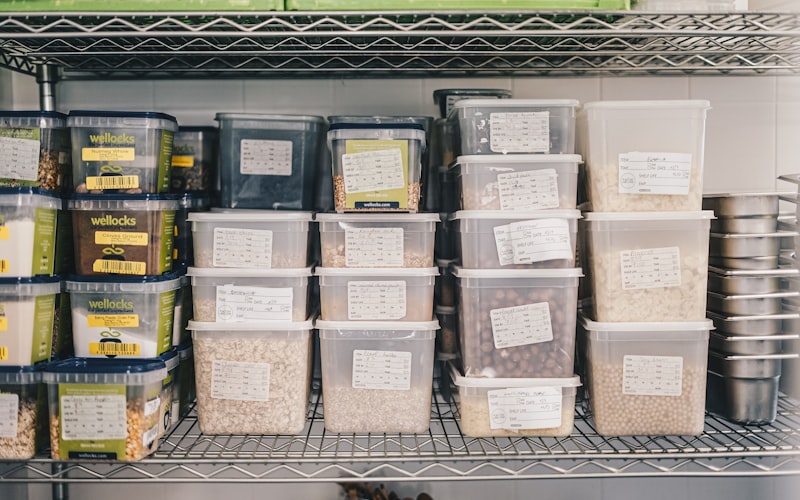
Let the dishes cool down and divide them into portions for individual days. Label each container with the dish name and date. Whatever you'll eat in the next 2-3 days goes in the fridge — the rest goes in the freezer.
The Best Recipes for Batch Cooking
Not every recipe works equally well for batch cooking. The best dishes for precooking share one thing: they cook well in large quantities, taste just as good (or better) reheated, and freeze without issues.
Here are our favourites for Swiss families:
- Bolognese sauce: The classic. Cook a big pot and portion it up. Just boil fresh pasta in the evening — dinner's ready in 10 minutes.
- Chilli con carne (or sin carne): Freezes perfectly and actually tastes even better reheated. Serve with rice, tortillas, or bread.
- Vegetable soup or minestrone: Ideal for the cooler months. Vary with seasonal vegetables and add fresh herbs before serving.
- Curry (Thai, Indian, or Japanese): Make the sauce in bulk, cook rice fresh — perfect dinner in 15 minutes.
- Meatloaf (Hackbraten): A Swiss family classic. Works cold or warm and even makes a great school snack.
- Lentil or chickpea stew: Filling, healthy, and incredibly cheap. A lentil stew for four costs less than CHF 8.
- Lasagne: A bit more effort, but a dish children love. Freeze in portions and bake when needed.
Sunday is our batch cooking day. While the kids play, I cook two or three dishes for the week. It has completely transformed our family routine.
— Yvonne, TellerPlan
Proper Storage: Fridge and Freezer
Getting the storage right is crucial for successful batch cooking. Nothing is more frustrating than discovering on Wednesday that the curry you prepped has gone off.
What Goes in the Fridge
Dishes you'll eat within the next 2-3 days go in the fridge. Make sure they're in airtight containers and properly cooled before refrigerating.
- Soups and stews: 3-4 days in the fridge
- Bolognese and sauces: 3-4 days
- Cooked rice: maximum 2 days (freeze after that)
- Curries: 2-3 days
- Cooked vegetables: 2-3 days
What Goes in the Freezer
Anything you won't eat within three days belongs in the freezer. Most precooked dishes keep perfectly well for 2-3 months.
- Perfect for freezing: Bolognese, chilli, soups, stews, curries, meatloaf
- Works with caveats: Lasagne (pasta softens slightly), rice (texture changes a little)
- Not recommended: Salads, raw vegetables, dishes with lots of cream or soft cheese (they separate when thawing)
The Right Containers
Good containers are essential for batch cooking. Invest in a set of quality, microwave-safe containers with tight-fitting lids. You'll find them at Migros (e.g. Cucina & Tavola) or Coop (e.g. Rotho) from around CHF 10 for a set of five. Glass containers are more sustainable and can go straight in the oven — but cost a bit more (from CHF 25).
- Containers in various sizes (500ml for single portions, 1 litre for families)
- Freezer bags with zip closures for soups and sauces
- Labelling tape or washable stickers
- Optionally a vacuum sealer — significantly extends shelf life
Building Batch Cooking into Your Weekly Plan
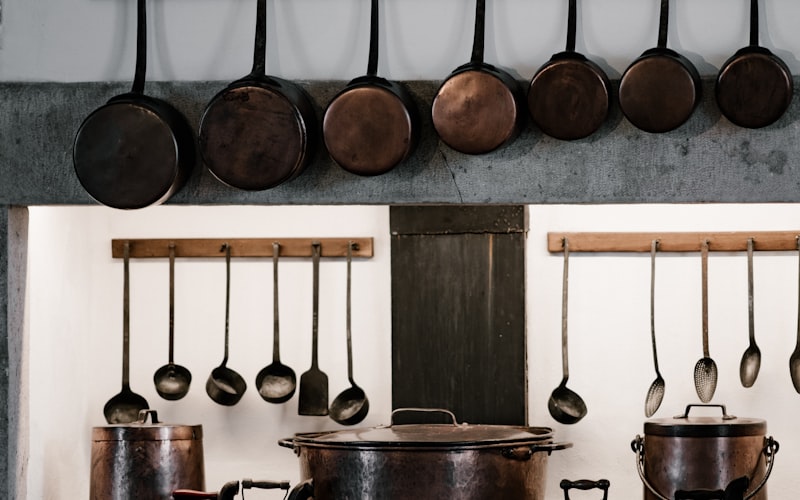
Batch cooking works best when it's part of your weekly plan. Instead of spontaneously deciding what to precook, you deliberately plan your batch cooking dishes into your meal schedule.
Here's what a typical week might look like:
- Saturday: Create your weekly plan and write the shopping list
- Saturday afternoon or evening: Big shop at Migros or Coop
- Sunday (2-3 hours): Batch cooking — precook 2-3 dishes, portion, and label
- Monday-Wednesday: Reheat precooked meals from the fridge
- Thursday-Friday: Defrost and reheat frozen meals, or cook one fresh dish
- Saturday: Leftovers day or try something new
The trick is treating your batch cooking day as a fixed appointment. Just like the weekly shop, it becomes a routine — and after a few weeks, it happens almost automatically.
If you're already doing meal planning, batch cooking is the perfect complement. You're not just planning what you'll eat — you're preparing it in advance. The weekly plan gives you structure; batch cooking saves you time.
With TellerPlan, plan your weekly meals in minutes and get an automatic shopping list — including scaled-up quantities for batch cooking. Get started now →
Batch Cooking for Beginners: Your First Sunday
Want to try batch cooking but don't know where to start? Here's a concrete plan for your very first batch cooking Sunday. Simple, manageable, and with dishes that almost every family enjoys.
Your Starter Menu (for 4 people, 3 dishes)
- Dish 1: Bolognese (double quantity) — Enough for 2 dinners. Monday with spaghetti, Thursday with penne.
- Dish 2: Vegetable soup (large batch) — Enough for 2 lunches or as a starter. Perfect with bakery bread.
- Dish 3: Chicken and vegetable curry (double quantity) — For Tuesday and Wednesday. Cook fresh rice in the evening (10 minutes).
Your Shopping List
For these three dishes you'll need roughly the following ingredients (prices at Migros/Coop, as of 2026):
- 1.5kg mince (approx. CHF 15-18)
- 2 tins chopped tomatoes, 1 tube tomato paste (approx. CHF 5)
- Onions, carrots, celery, garlic (approx. CHF 5)
- Seasonal vegetables for the soup: leek, potatoes, cabbage (approx. CHF 6)
- 600g chicken breast (approx. CHF 10-12)
- Coconut milk, curry paste, peppers, courgettes (approx. CHF 8)
- Spices, olive oil, stock (you probably have these already)
Total cost: approximately CHF 45-55 for 8-10 meals. That's less than CHF 6 per meal for the whole family — cheaper than any takeaway. For even more tips on cooking affordably in Switzerland, check out our dedicated guide.
Your Time Plan (approx. 2.5 hours)
- 0:00 — Mise en place: Set out all ingredients, wash and chop vegetables.
- 0:20 — Start the bolognese: Brown the mince, add vegetables, deglaze with tomatoes. Leave to simmer on low heat.
- 0:35 — Start the soup: Sauté vegetables, add stock. Leave to simmer.
- 0:50 — Start the curry: Brown the chicken, add curry paste and coconut milk, then the vegetables. Leave to simmer.
- 1:15 — In between: Tidy the kitchen, set out containers, stir the bolognese.
- 1:45 — Portion up: All three dishes are done. Let them cool, fill the containers, label everything.
- 2:15 — Clean up: Wash up, distribute containers into fridge and freezer.
And that's it! In 2.5 hours, your week is sorted. On Monday evening, you just need to boil water for the pasta, and dinner is on the table in 10 minutes.
Batch cooking doesn't have to be perfect. It's not about preparing a five-star menu for every day of the week. It's about making everyday life easier — so you have more time during the week for the things that truly matter. Happy cooking!
Ready to plan your first batch cooking Sunday? TellerPlan helps you with recipes, a weekly plan, and an automatic shopping list. Start for free →
Frequently Asked Questions
Ready for stress-free shopping?
Plan your meals, generate shopping lists, and save time — try it free.
Start free todayRelated Articles
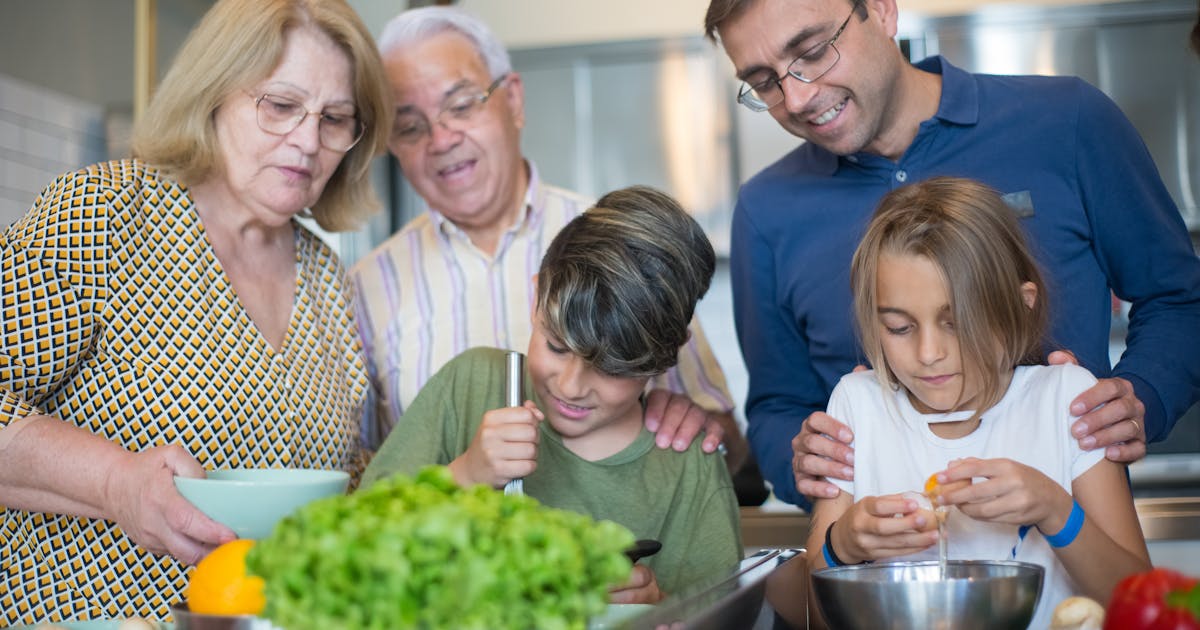
Meal Planning for Families in Switzerland — A Complete Guide
Learn how to create a weekly meal plan, save time on grocery shopping, and reduce food waste as a family in Switzerland.
Yvonne Ammann
Cooking on a Budget in Switzerland — Smart Saving Tips
Discover how to cook affordably in Switzerland. 8 practical strategies for families to eat well on CHF 600–900/month without sacrificing quality.
Yvonne Ammann