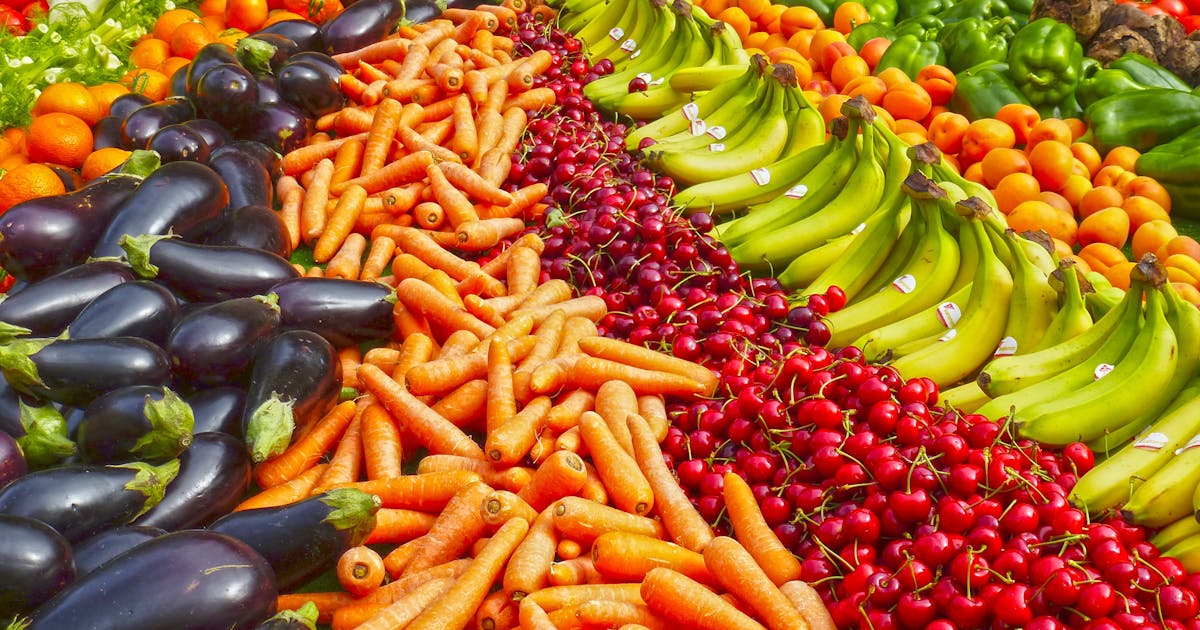
Saisonal kochen in der Schweiz — Der komplette Guide
Saisonal kochen spart bis zu 30 % beim Einkauf, schmeckt besser und schont die Umwelt. Dieser Guide zeigt dir, welches Schweizer Gemüse und Obst wann Saison hat, wo du regional einkaufst und wie du saisonale Rezepte ganz einfach in deinen Wochenplan einbaust.

Gründerin von TellerPlan
Yvonne ist Mutter von zwei Kindern und lebt in der Schweiz. Sie hat TellerPlan gegründet, um das wöchentliche Einkaufen für Familien einfacher zu machen.
Warum saisonal kochen in der Schweiz besonders Sinn macht
Erdbeeren im Januar, Tomaten im März, Spargel das ganze Jahr — im Supermarkt ist fast alles immer verfügbar. Doch diese Bequemlichkeit hat ihren Preis: importierte Ware reist oft Tausende Kilometer, verliert auf dem Weg Geschmack und Nährstoffe, und belastet die Umwelt durch lange Transportwege und energieintensive Gewächshäuser.
In der Schweiz lohnt sich saisonales Kochen ganz besonders — auch wenn du günstig kochen willst. Unser Land hat eine vielfältige Landwirtschaft, die im Jahresverlauf ein erstaunlich breites Angebot an Gemüse und Obst liefert. Wer sich an den Saisonkalender hält, profitiert gleich mehrfach:
- Günstiger einkaufen: Saisonales Gemüse und Obst ist bis zu 30 % günstiger als importierte Ware ausserhalb der Saison.
- Besser schmecken: Frisch geerntete, reif gepflückte Produkte haben deutlich mehr Aroma als Gewächshausware, die unreif geerntet und nachgereift wird.
- Nachhaltiger leben: Kurze Transportwege und weniger Energieverbrauch bedeuten einen kleineren ökologischen Fussabdruck.
- Abwechslung geniessen: Der Wechsel der Jahreszeiten bringt natürliche Vielfalt auf den Teller — und inspiriert zu neuen Rezepten.
- Lokale Bauern unterstützen: Wer saisonal und regional kauft, stärkt die Schweizer Landwirtschaft direkt.
Laut dem Landwirtschaftlichen Informationsdienst (LID) werden in der Schweiz über 50 verschiedene Gemüse- und 30 Obstsorten kommerziell angebaut. Genug Vielfalt für ein ganzes Jahr spannender Rezepte!
Der Schweizer Saisonkalender — Was wächst wann?
Der Saisonkalender der Schweiz ist überraschend abwechslungsreich. Von den ersten Bärlauchblättern im März bis zu den letzten Lageräpfeln im Februar gibt es in jedem Monat frische, regionale Produkte. Hier ein Überblick, was in welcher Jahreszeit Hochsaison hat:

Das Schöne am saisonalen Kochen: Du musst nicht alles auswendig wissen. Auf dem Wochenmarkt oder bei Migros und Coop erkennst du saisonale Produkte an den Labels «Aus der Region» (Migros) oder «Naturaplan» und «Pro Montagna» (Coop). Auch der Preis ist ein guter Indikator — was gerade Saison hat, ist in der Regel am günstigsten.
Frühling und Sommer: Frische Vielfalt
Frühling (März bis Mai)
Der Frühling beginnt in der Schweizer Küche mit einem der beliebtesten Wildkräuter: Bärlauch. Ab März spriesst er in Wäldern im ganzen Mittelland und wird für Pesto, Suppen und Brot verwendet. Kurz darauf folgt der heiss ersehnte Spargel — weiss aus dem Seeland, grün aus dem Thurgau. Spargel hat in der Schweiz nur eine kurze Saison bis Ende Juni, was ihn umso besonderer macht.
Rhabarber liefert die erste fruchtige Note der Saison, perfekt für Kuchen, Kompott oder als Begleitung zu herzhaften Gerichten. Ab April kommen frische Radieschen, Spinat und Nüsslisalat dazu. Und Ende Mai beginnt die Schweizer Erdbeersaison — ein Highlight für die ganze Familie.
- Gemüse: Bärlauch, Spargel, Radieschen, Spinat, Nüsslisalat, Frühlingszwiebeln, Rhabarber
- Obst: Erdbeeren (ab Ende Mai)
- Rezeptideen: Bärlauchpesto mit Pasta, Spargelrisotto, Erdbeer-Rhabarberkuchen, Frühlingssalat mit Radieschen
Sommer (Juni bis August)
Der Sommer ist die Hochsaison für Schweizer Gemüse und Obst. Das Angebot explodiert regelrecht: Tomaten, Zucchetti, Bohnen, Auberginen und Peperoni reifen in der Sommerhitze und entwickeln ihr volles Aroma. Wer schon einmal eine sonnengereifte Schweizer Tomate im August mit einer importierten Wintertomate verglichen hat, weiss den Unterschied sofort.
Beim Obst verwöhnt uns der Sommer mit Kirschen aus dem Baselbiet, Aprikosen aus dem Wallis, frischen Beeren aller Art und ab August mit den ersten Zwetschgen. Das ist auch die beste Zeit für Einmachen, Einfrieren und Vorräte anlegen.
- Gemüse: Tomaten, Zucchetti, Bohnen, Gurken, Auberginen, Peperoni, Mais, Salate aller Art
- Obst: Kirschen, Aprikosen, Erdbeeren, Himbeeren, Heidelbeeren, Zwetschgen
- Rezeptideen: Caprese mit Schweizer Tomaten, Zucchetti-Gratin, Bohnensalat, Aprikosenwähe, Beerenmüesli
Tipp: Im Sommer lohnt sich ein Besuch auf dem Wochenmarkt besonders. Die Vielfalt ist am grössten, die Preise am tiefsten, und du kannst direkt mit den Bauern sprechen.
Herbst und Winter: Herzhafte Klassiker
Herbst (September bis November)
Der Herbst ist die Erntezeit schlechthin. Kürbis in allen Formen und Farben prägt die Schweizer Herbstküche — von der klassischen Kürbissuppe bis zum gebackenen Hokkaidokürbis. Gleichzeitig starten Äpfel und Birnen in die Hauptsaison. Die Schweiz ist ein Apfelland: Über 20 Sorten werden hier kommerziell angebaut, von Gala über Braeburn bis zum Golden Delicious.
Zwetschgen eignen sich hervorragend für Kuchen und Konfitüre. Nüsslisalat (Feldsalat) hat ab Oktober wieder Saison und liefert auch in den kälteren Monaten frisches Grün. Dazu kommen Lauch, Rüebli, Sellerie und Randen — das klassische Suppengemüse, das den ganzen Winter durchhält.
- Gemüse: Kürbis, Nüsslisalat, Lauch, Rüebli, Randen, Sellerie, Kohl, Rosenkohl
- Obst: Äpfel, Birnen, Zwetschgen, Trauben, Quitten
- Rezeptideen: Kürbissuppe, Apfelwähe, Zwetschgenkuchen, Lauchgratin, Herbstsalat mit Birnen und Nüssen
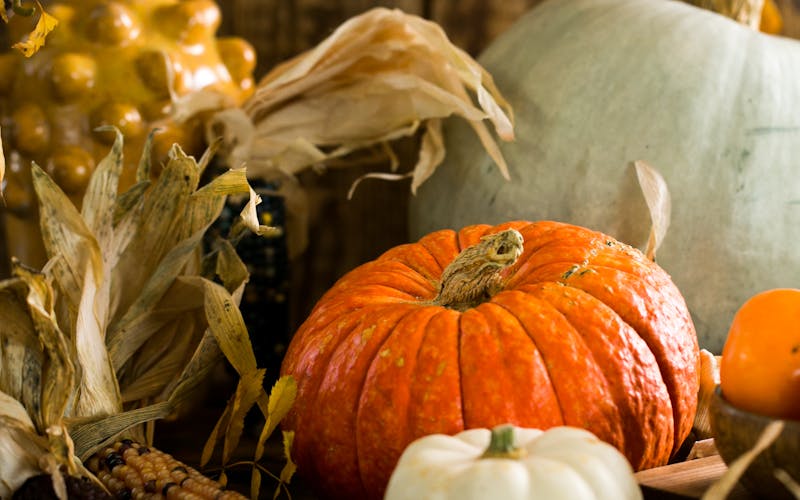
Winter (Dezember bis Februar)
Auch im Winter muss es nicht langweilig werden auf dem Teller. Lagergemüse wie Rüebli, Kohl, Sellerie, Pastinaken und Kartoffeln sind die Basis für wärmende Eintöpfe, Gratins und Aufläufe. Rosenkohl und Wirsing schmecken nach dem ersten Frost sogar besser, weil die Kälte die Stärke in Zucker umwandelt.
Traditionell ergänzen importierte Zitrusfrüchte — Orangen, Mandarinen, Zitronen — den Schweizer Wintertisch. Sie gehören seit Generationen zum Winter dazu und liefern wichtiges Vitamin C. Nüsse aus dem Schweizer Mittelland (vor allem Baumnüsse) runden das Winterangebot ab und sind perfekt für Zopf, Guetzli und Salate.
- Gemüse: Lauch, Rüebli, Kohl, Sellerie, Pastinaken, Rosenkohl, Wirsing, Kartoffeln
- Obst: Lageräpfel, Birnen, Baumnüsse, Zitrusfrüchte (importiert)
- Rezeptideen: Gemüseeintopf, Rosenkohlgratin, Wirsingröllchen, Rüeblitorte, Orangenkuchen
Saisonal einkaufen: Wo und wie
In der Schweiz gibt es viele Möglichkeiten, saisonal und regional einzukaufen. Hier die wichtigsten Anlaufstellen:
Wochenmärkte und Hofläden
Der Wochenmarkt ist der Klassiker für saisonales Einkaufen. In fast jeder Schweizer Stadt und Gemeinde findet mindestens einmal pro Woche ein Markt statt. Das Angebot ist per Definition saisonal — was die Bauern gerade ernten, bringen sie auf den Markt. Hofläden bieten eine ähnliche Erfahrung, oft mit noch grösserer Auswahl und der Möglichkeit, den Hof zu besichtigen.
Migros und Coop: Saisonal im Supermarkt
Auch die grossen Detailhändler setzen zunehmend auf saisonale und regionale Produkte. Migros kennzeichnet regionale Produkte mit dem Label «Aus der Region. Für die Region.» und bietet mit «TerraSuisse» Schweizer Produkte aus nachhaltiger Landwirtschaft an. Coop setzt auf «Naturaplan» für Bio-Produkte und «Pro Montagna» für Erzeugnisse aus dem Schweizer Berggebiet.
Ein praktischer Trick: Achte auf die Herkunftsangabe auf der Verpackung. Wenn dort «Schweiz» oder ein konkreter Kanton steht, ist das Produkt meistens saisonal. Importware aus Spanien, Marokko oder Übersee ist ein Hinweis darauf, dass das Produkt bei uns gerade keine Saison hat.
Abo-Kisten und Gemüse-Abos
Eine wachsende Alternative sind Gemüse-Abos und Abo-Kisten von lokalen Bauernhöfen. Du bekommst wöchentlich eine Kiste mit saisonalem Gemüse und Obst direkt nach Hause oder an einen Abholpunkt geliefert. Das nimmt dir die Entscheidung ab und sorgt automatisch für saisonale Vielfalt. Anbieter wie Farmy.ch oder regionale Solawi-Projekte (Solidarische Landwirtschaft) bieten solche Abos in der ganzen Schweiz an.
Saisonal einkaufen bedeutet nicht, auf alles zu verzichten. Ergänze saisonale Frischware mit Lagergemüse, Tiefkühlprodukten und Vorräten — so hast du das ganze Jahr über eine abwechslungsreiche Küche.
Saisonale Rezepte in den Wochenplan einbauen
Die Theorie klingt gut, aber wie setzt du saisonales Kochen im Alltag um — vor allem, wenn die Zeit knapp ist? Der Schlüssel liegt im Wochenplan. Wenn du deine Mahlzeiten für die Woche im Voraus planst — so wie beim Meal Planning — kannst du dabei gezielt saisonale Zutaten einplanen. Das spart nicht nur Geld, sondern bringt auch natürliche Abwechslung auf den Tisch.
So gehst du am besten vor:
- Saison checken: Schau kurz nach, was gerade Saison hat. Der Saisonkalender vom LID oder ein schneller Blick in den Migros- oder Coop-Prospekt genügt.
- Rezepte auswählen: Wähle 2–3 Rezepte, die auf saisonalen Zutaten basieren. Die anderen Tage kannst du mit Vorratsgerichten oder Resten füllen.
- Wochenplan erstellen: Ordne die Rezepte den Wochentagen zu. An stressigen Tagen einfache Gerichte, am Wochenende etwas Aufwändigeres.
- Einkaufsliste generieren: Aus dem Plan ergibt sich die Liste. Prüfe vorher den Kühlschrank und die Vorratskammer.
- Flexibel bleiben: Wenn du auf dem Markt oder im Laden ein tolles saisonales Angebot siehst, passe den Plan spontan an.
Klingt nach viel Aufwand? Muss es nicht sein. Mit TellerPlan kannst du Rezepte aus Kochbüchern abfotografieren oder aus Cookidoo importieren, einen Wochenplan in wenigen Minuten zusammenstellen und die Einkaufsliste automatisch generieren lassen. So bleibt mehr Zeit fürs eigentliche Kochen — und Geniessen.
Bereit, saisonal zu kochen? TellerPlan hilft dir, saisonale Rezepte in deinen Wochenplan einzubauen — schnell, einfach und kostenlos. Jetzt starten →
Saisonales Kochen ist kein Trend, sondern eine Rückkehr zu dem, was unsere Grosseltern schon wussten: Was gerade wächst, schmeckt am besten, kostet am wenigsten und tut der Umwelt gut. In der Schweiz haben wir das Glück, eine unglaublich vielfältige Landwirtschaft vor der Haustür zu haben. Nutzen wir sie!
Häufige Fragen
Welches Gemüse hat im Frühling in der Schweiz Saison?
Im Frühling haben vor allem Bärlauch (März–Mai), Spargel (April–Juni), Rhabarber (April–Juni), Spinat, Radieschen und Nüsslisalat Saison. Ab Ende Mai starten auch die Schweizer Erdbeeren.
Wo finde ich einen Saisonkalender für die Schweiz?
Der Landwirtschaftliche Informationsdienst (LID) bietet einen detaillierten Saisonkalender für Schweizer Gemüse und Obst an. Auch Migros und Coop informieren auf ihren Websites und in den Filialen über saisonale Produkte.
Ist saisonales Gemüse wirklich günstiger?
Ja, saisonales Gemüse und Obst aus der Schweiz ist in der Regel 20–30 % günstiger als importierte Ware ausserhalb der Saison. Der Grund: höheres Angebot, kürzere Transportwege und geringere Lagerkosten.
Was koche ich im Winter, wenn wenig frisches Gemüse verfügbar ist?
Im Winter gibt es mehr Auswahl als man denkt: Lagergemüse wie Rüebli, Kartoffeln, Sellerie und Kohl sind die Basis für Eintöpfe, Gratins und Aufläufe. Rosenkohl und Wirsing haben Hochsaison. Ergänzt werden sie durch Lageräpfel, Nüsse und importierte Zitrusfrüchte.
Wie kann ich saisonale Rezepte einfach in meinen Alltag einbauen?
Am einfachsten geht es mit einem Wochenplan: Wähle 2–3 saisonale Rezepte pro Woche aus und ergänze mit Vorratsgerichten. Tools wie TellerPlan helfen dir, Rezepte zu sammeln, den Wochenplan zu erstellen und die Einkaufsliste automatisch zu generieren.
Wo kaufe ich in der Schweiz am besten saisonal ein?
Wochenmärkte und Hofläden bieten das frischeste saisonale Angebot. Bei Migros erkennst du regionale Produkte am Label «Aus der Region», bei Coop an «Naturaplan» und «Pro Montagna». Gemüse-Abos von lokalen Bauernhöfen sind eine praktische Alternative.
Passende Rezepte


Deine eigene Rezeptsammlung
Sammle Rezepte von überall an einem Ort: von jeder Rezeptseite, aus deinem Kochbuch oder aus Cookidoo. Wochenplan und Einkaufsliste gibt es dazu.
Sammlung kostenlos startenWeitere Artikel

Planung · 3 Min.
Meal Planning für Familien in der Schweiz — So geht's
Lerne, wie du als Familie in der Schweiz einen Wochenplan erstellst, Zeit beim Einkaufen sparst und weniger Food Waste produzierst.
Einkauf · 8 Min.
Food Waste Schweiz: So rettest du Lebensmittel im Alltag
Die Schweiz verschwendet 2,8 Millionen Tonnen Lebensmittel pro Jahr. Erfahre, wie du mit Meal Planning und 7 einfachen Tipps Food Waste reduzierst und CHF 500–1000 sparst.